Learn from the best!
Every week, I curate the viral videos overperforming across 40+ European radio stations. Join for free!
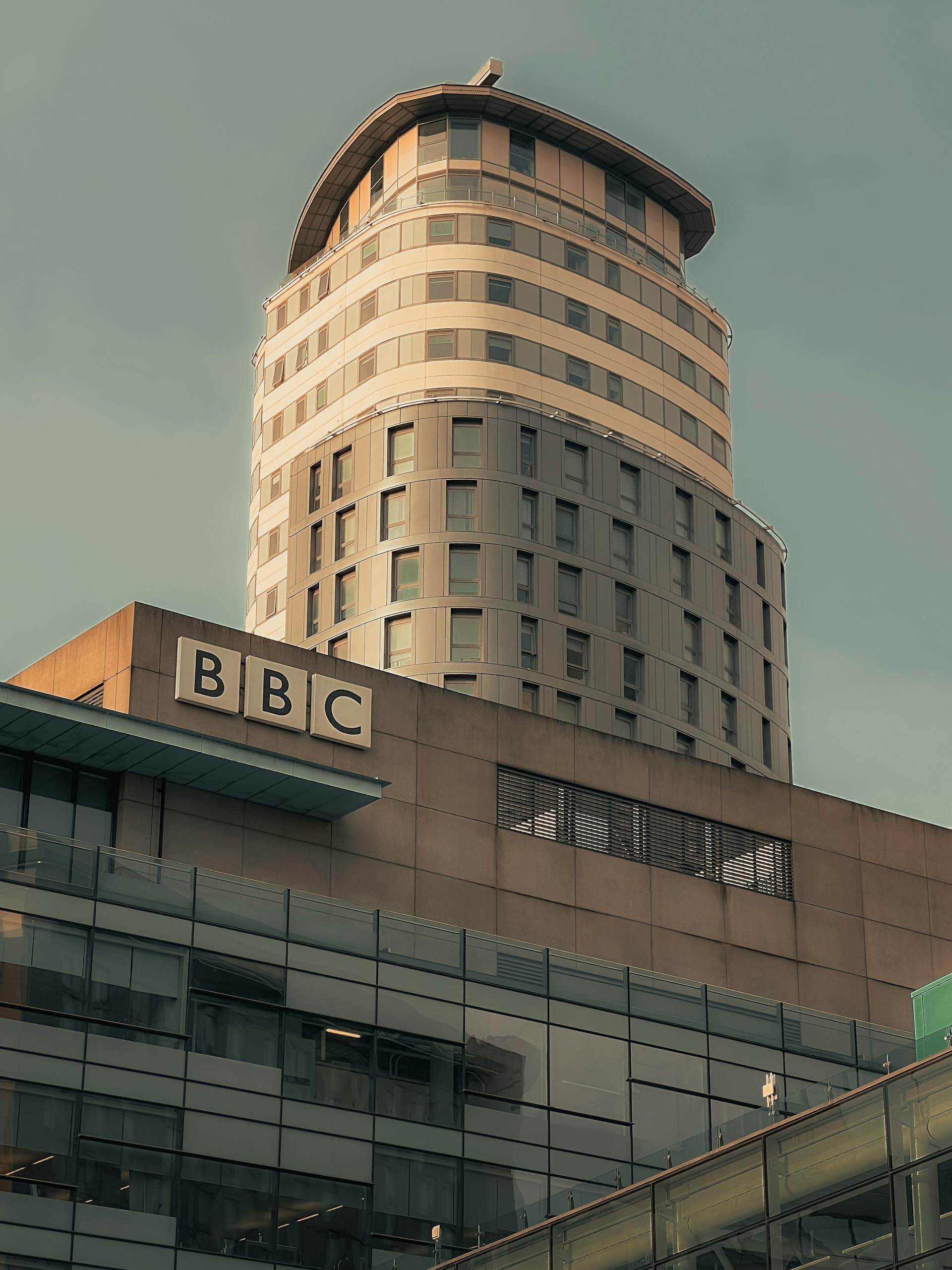
According to the Financial Times, the BBC and YouTube are to announce a partnership to create original programmes on the platform, which will then be broadcast on iPlayer and BBC Sounds. The announcement could come as early as next week. The tie-up represents a major breakthrough for an institution that until now has only used YouTube for trailers and promotional clips.
The main aim of the partnership is to win back younger audiences, who are massively turning to YouTube as their main source of television content. Programmes produced for the platform would include those produced by BBC Three, as well as children’s/teenagers’ content and sports programmes. News formats will also be developed, in a bid to combat the misinformation circulating on social networks.
According to sources close to the matter, old series could also be broadcast on YouTube, although they are not the main focus of the agreement.
This agreement will enable the BBC to generate additional advertising revenue from the international broadcast of these programmes, while maintaining the commercial-free status of its public services in the UK, which are funded by the licence fee.
This initiative comes against a backdrop of fierce competition. Last December, YouTube overtook all the BBC channels for the first time in terms of UK audience, with almost 52 million viewers compared with 51 million for the public broadcaster. The success of the YouTube application on connected TV sets means that it is now a direct competitor to the traditional channels.
BBC executives have also acknowledged the need to forge partnerships with other public broadcasters in order to compete with American streaming giants such as Netflix and Disney, which have considerable financial resources at their disposal. The BBC and YouTube did not wish to comment on this information.
The success of The Traitors in the UK is not just based on the original TV show; it is also based on an ‘augmented’ audio-visual strategy that extends the experience, captures attention beyond live TV, and reaches a different audience. How and why did the idea emerge? Traitors was adapted by BBC Studios for UK…
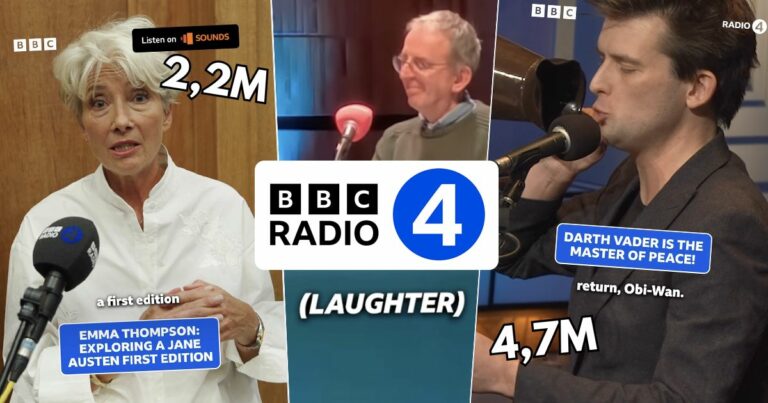
Long perceived as the soft-spoken voice of the British establishment, BBC Radio 4 has been quietly but deliberately shifting its strategy over the past few years. Across Instagram, Facebook, X (formerly Twitter) and, more recently, TikTok, the station is now multiplying short formats, humorous clips and debate extracts to reach a younger, more mobile audience. Within the…
Teri Hatcher is returning to Wisteria Lane. But this time, it’s not for a sequel or a reboot: it’s for a rewatch podcast, a format that has been a hit for several years now and is gradually establishing itself as a genuine model for companion podcasts like The Traitors. The actress has launched Desperately Devoted,…
TikTok is rolling out a new feature to bring creators closer to their audience. Bulletin boards” are now available all over the world, including France. The format is inspired by Instagram, Whatsapp and Messenger. What are bulletin boards for? A bulletin board is a simple distribution space. The creator speaks. The audience listens and reacts….
Almost ten years after Vine disappeared, the iconic six-second video app is back with a new version called diVine, funded by Twitter founder Jack Dorsey. But this time, the project isn’t just about resurrecting a Proust’s madeleine: it wants to offer a 100% human social network where videos generated by AI are automatically detected… and…
From stage performances to backstage, red carpet moments to reactions in the dressing room: the 26ᵉ edition of the NRJ Music Awards (31 October 2025) has been filling up with views on social networks. Between emotions, looks and viral sequences, here are the videos that got the most views. These are the figures gathered from…