United Kingdom: a third of podcast listeners switch from audio to video every week
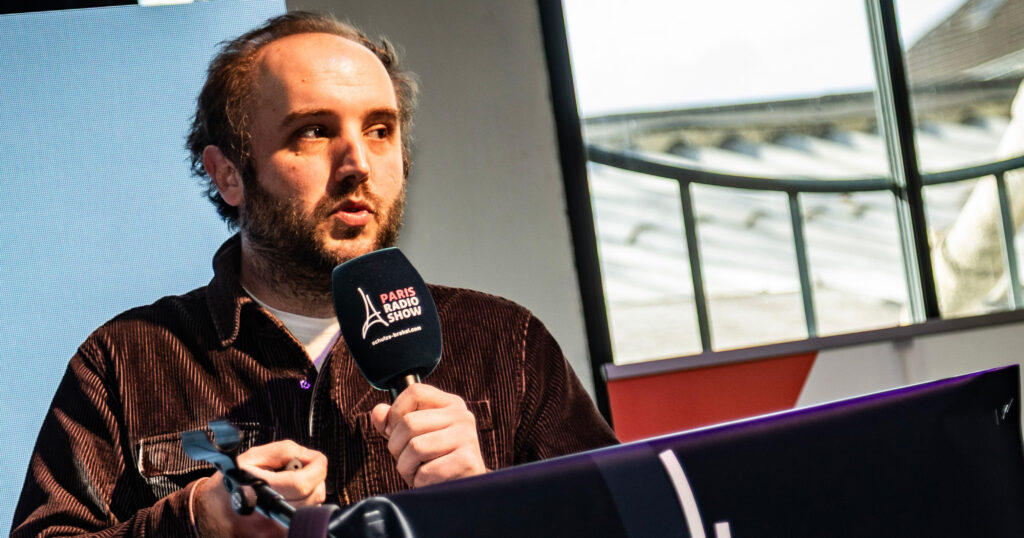
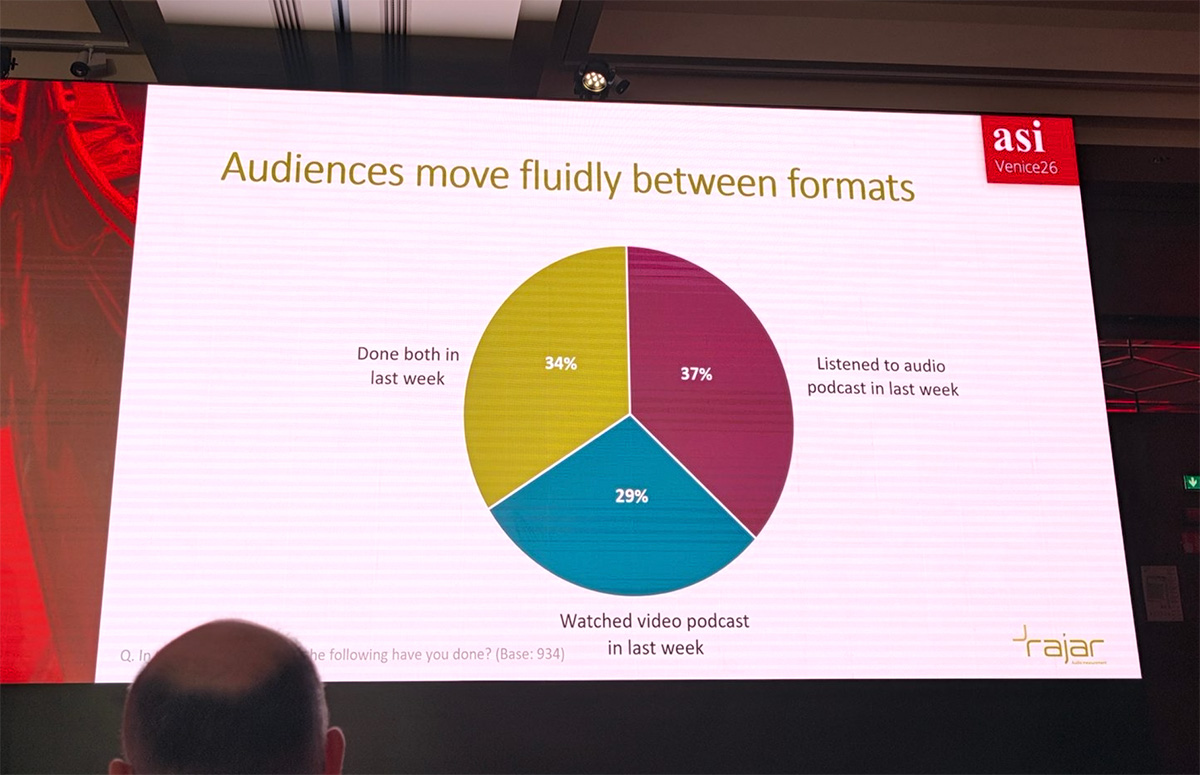
In the UK, 34 per cent of podcast listeners switch from an audio format to a video format within the same week. This was the key figure presented by John Carroll, Director of Research and Audience Measurement at RAJAR, the UK radio audience measurement organisation, at the Advertising Seminars International conference in Venice.
The study also reveals that podcasts reach 26 per cent of the UK population every week. Listeners spend an average of 6.9 hours a week listening to them.
However, the video does not turn the podcast into a TV programme. Among those who watch, 35 per cent listen first and glance at the screen from time to time. 43 per cent divide their attention more or less equally between the two. For 49 per cent of them, the benefit of video is being able to see the presenters’ reactions and body language. And 62 per cent would consume the same content if it were available only as an audio programme. The RAJAR report sums it up in its title: the video aspect of podcasts remains driven by audio. The 16–24 age group is the exception. For them, video is becoming the default way of consuming content, notes RAJAR, without providing any figures.
Adam Bowie, who was also speaking at the conference, sets out the figures presented by John Carroll in detail on his blog. The survey covered the past week and involved 934 podcast listeners. 37 per cent listened to an audio podcast, 29 per cent watched a video podcast, and 34 per cent did both.
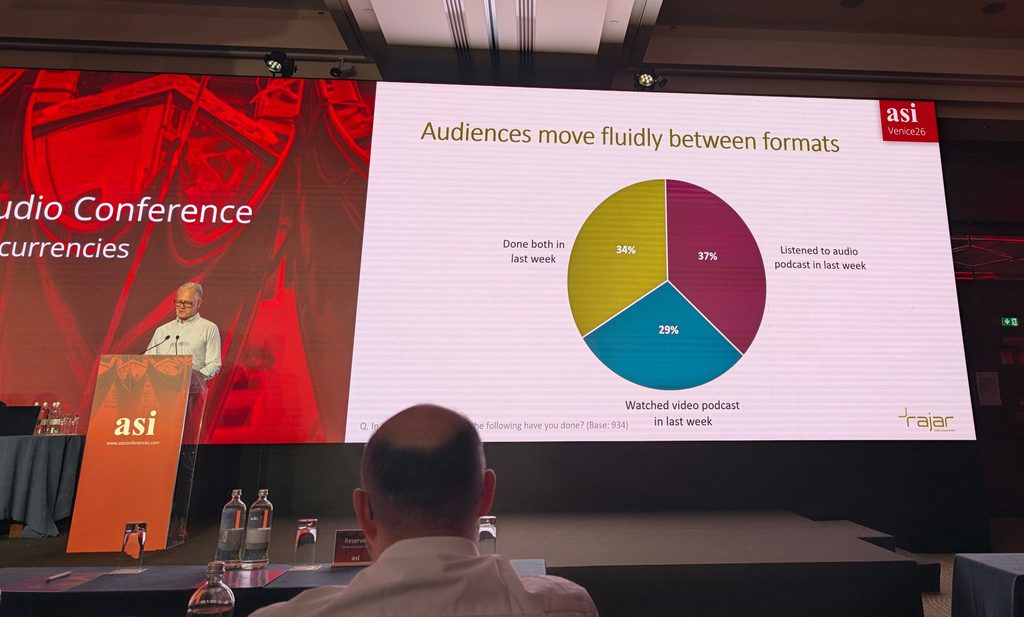
Even when watching a video, the ear takes precedence. According to Bowie, only 20 per cent of viewers actually look at the screen. 35 per cent mainly listen, whilst 43 per cent divide their attention. Video podcasts are watched more often on a mobile phone than on a television, and rarely with viewers’ eyes fixed on the screen: 41 per cent do the washing up at the same time, whilst 37 per cent use their phone for something else. These figures come from RAJAR’s monthly podcast tracker, which is available exclusively to its subscribers, the BBC and commercial radio stations.
Other figures published by RAJAR show that podcasting is becoming more like radio.On weekdays, podcast listening peaks between 8.30 am and 9 am, just after the peak for live radio, which occurs between 8 am and 8.30 am.
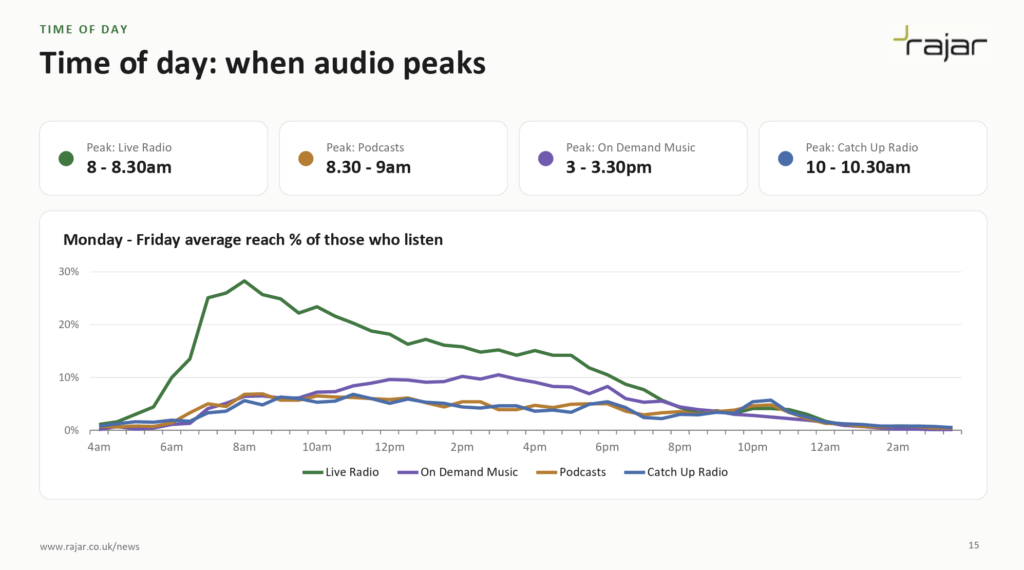
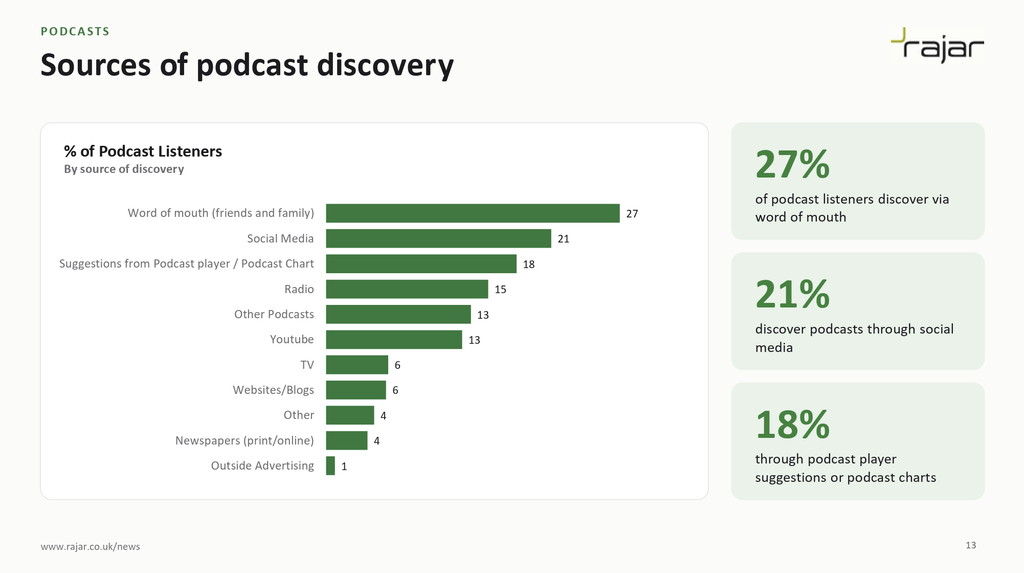
When it comes to discovering a new podcast, word of mouth tops the list (27 per cent), ahead of social media (21 per cent) and suggestions from apps or charts (18 per cent). Radio accounts for 15 per cent, more than YouTube (13 per cent).