Learn from the best!
Every week, I curate the viral videos overperforming across 40+ European radio stations. Join for free!

Every week, I curate the viral videos overperforming across 40+ European radio stations. Join for free!
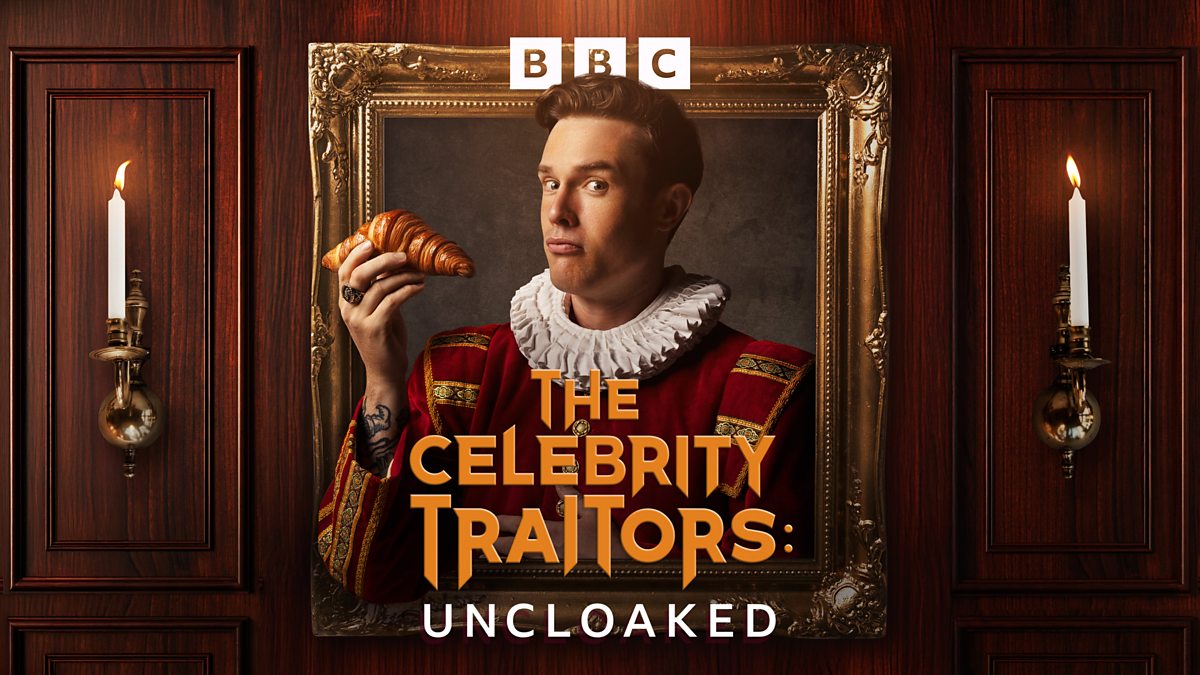
The success of The Traitors in the UK is not just based on the original TV show; it is also based on an ‘augmented’ audio-visual strategy that extends the experience, captures attention beyond live TV, and reaches a different audience.
Traitors was adapted by BBC Studios for UK audiences. Over the seasons, the BBC and its producer wanted to go beyond the classic show: create a visual and audio ‘companion show’ to capitalise on engagement, extend the post-episode conversation and maximise exposure across multiple platforms.
And so The Traitors: Uncloaked was born, broadcast just after the main programme (on BBC Two and iPlayer) and also available as an audio version on BBC Sounds. The aim was to transform a simple television event into an audience experience offering immediate capture, an extension, bonus content and loyalty-building.
A few figures illustrate the impact of this scheme:
This performance is all the more remarkable given that the companion format does not cannibalise the main programme: it creates a second appointment and extends the life of the programme for other uses.
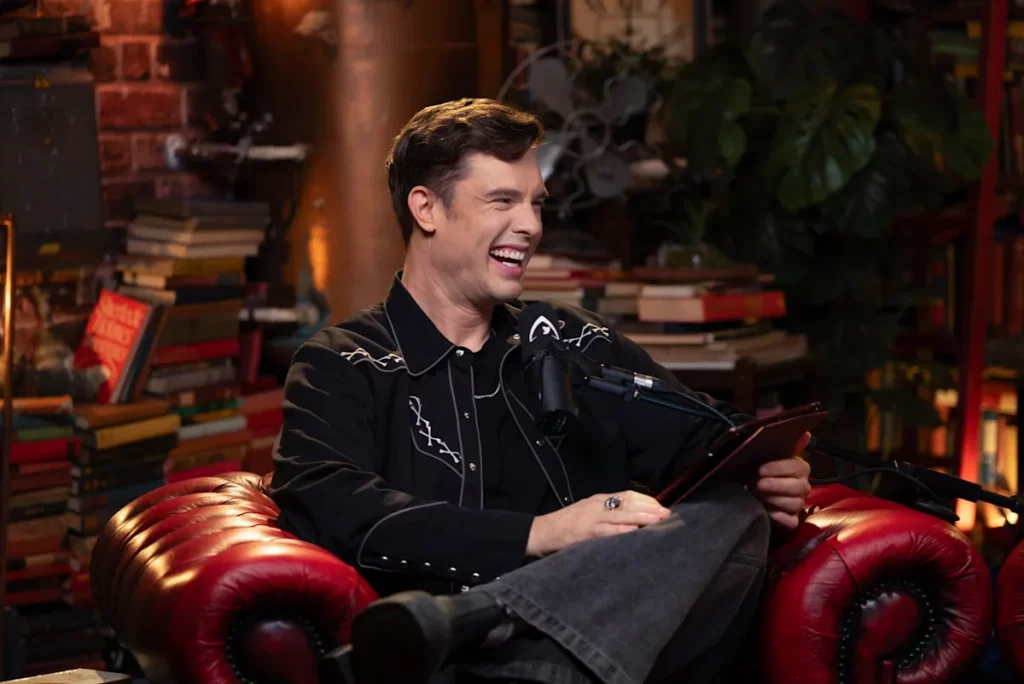
In a long article published by Yahoo TV UK, journalist Katie Archer looks back at the success of the companion podcast The Traitors: Uncloaked, which she describes as “the perfect model for an audio-visual spin-off”. According to her, Uncloaked has managed to transform the simple ‘after-show’ into a hybrid TV + podcast format capable of competing with the main programme.
The key: filmed content that blurs the boundaries between talk show, debrief and podcast and takes fans behind the scenes of the game, particularly when the eliminated contestants discover who the real traitors were. Archer also points out that Uncloaked has extended The Traitors brand to a new audience: listeners who don’t normally listen to podcasts.
By making the format ‘viewable’, the BBC and producer Platform Media have managed to turn the companion into a pop culture product in its own right, winning two British Podcast Awards 2025 (Best Entertainment & Spotlight Award). The article places Uncloaked in the context of a wider trend: the rise of companion podcasts to TV programmes, which originated during the confinement period and have now become essential loyalty levers for major audiovisual brands (from Love Island to Grand Designs).
The ‘augmented programme’ set up around The Traitors shows that it is possible to enclose the audience in a loop of experience: the main event, then the immediate visual extension or listening to the deferred audio discussion. And all this without cannibalising the main show, but rather amplifying it.
Season 5 of Stranger Things is back after a very long break of over 3 years. Netflix knows this. We’ve all got older (like the cast), our habits have changed, our uses have changed and some of the plot has been forgotten. So the platform orchestrated one of the biggest promotional tours ever for a…
The BBC has officially opened its annual development funds for independent production companies across the UK. Three schemes are available this year, with a total investment pot of £1.25 million. Three opportunities for independent producers Companies can apply to one of the following programmes: Each scheme includes a strategic investment, a dedicated mentor from within…
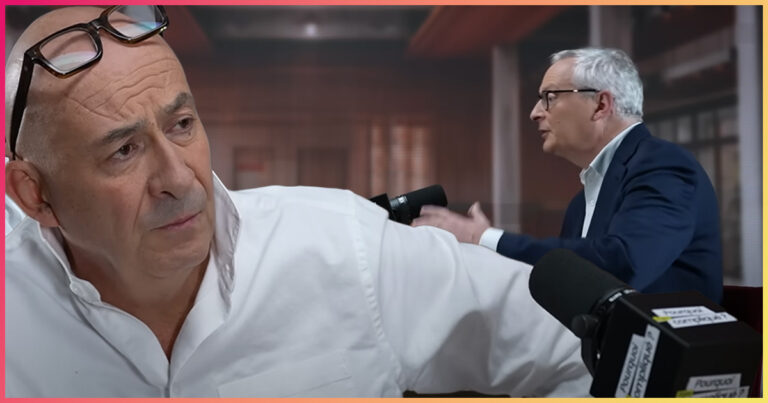
French broadcaster TF1 is stepping into the long-form space with its first video podcast, “Pourquoi faire compliqué?” hosted by journalist and economist François Lenglet. The concept: a space for political and economic figures to discuss the “invisible mechanisms” that hold back French society.The first guest? Former Minister of the Economy Bruno Le Maire, who, just…

The 27th edition of the NRJ Music Awards, broadcast live from the Palais des Festivals in Cannes on 31 October, once again confirmed its status as a major music event on social media. Seven days after the broadcast, the ceremony hosted by Nikos Aliagas attracted 3 million TV viewers, dominating key audiences: But the biggest…

From stage performances to backstage, red carpet moments to reactions in the dressing room: the 26ᵉ edition of the NRJ Music Awards (31 October 2025) has been filling up with views on social networks. Between emotions, looks and viral sequences, here are the videos that got the most views. These are the figures gathered from…
According to the Financial Times, the BBC and YouTube are to announce a partnership to create original programmes on the platform, which will then be broadcast on iPlayer and BBC Sounds. The announcement could come as early as next week. The tie-up represents a major breakthrough for an institution that until now has only used…