Learn from the best!
Every week, I curate the viral videos overperforming across 40+ European radio stations. Join for free!

Every week, I curate the viral videos overperforming across 40+ European radio stations. Join for free!
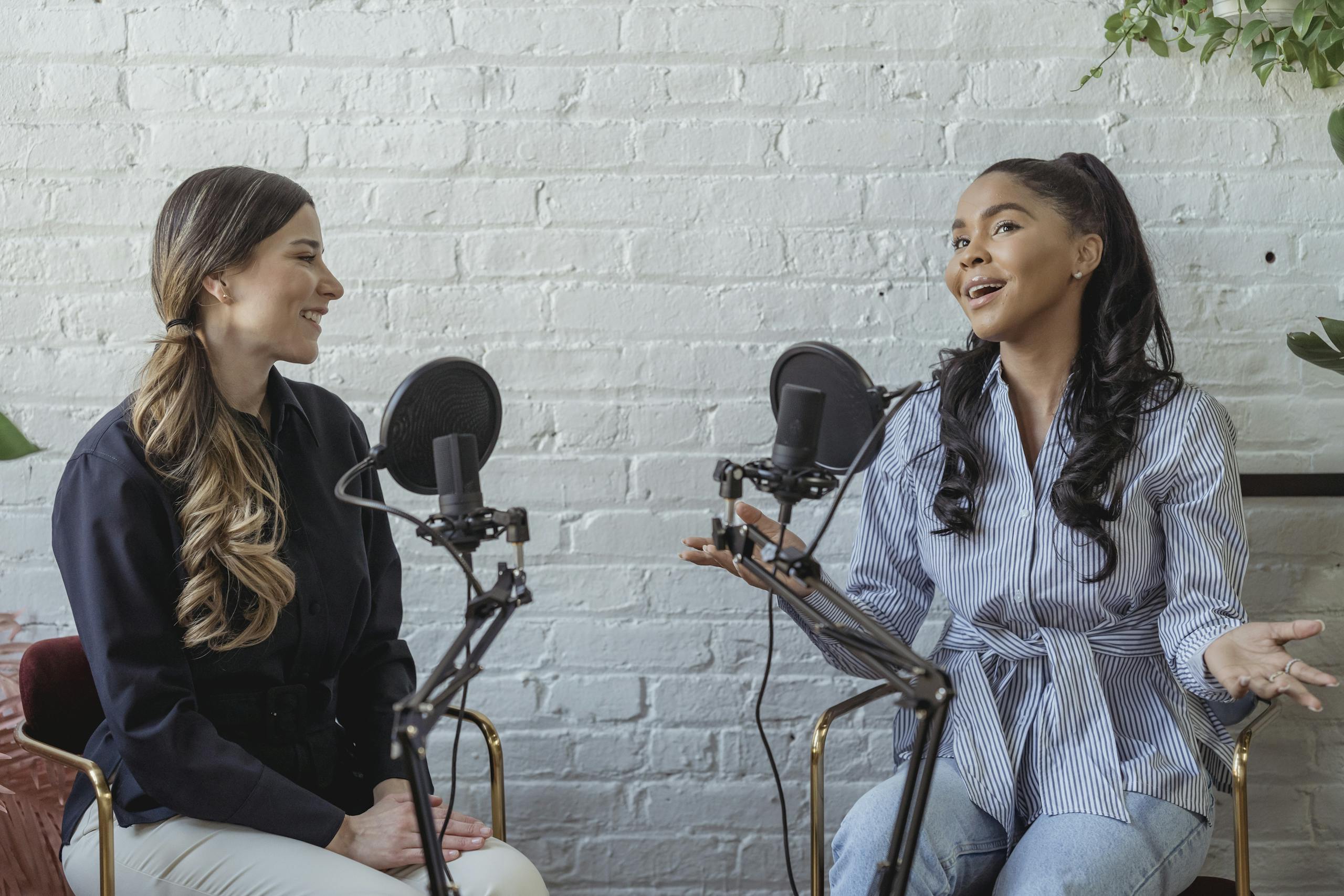
Most podcasts stagnate for one simple reason: they try to convince people who don’t listen to podcasts. The most honest advice comes from the podcasters themselves, the ones who test, fail and try again. On r/podcasting, they give practical, no-budget, space-buying advice on what has worked for them. Here are the ones that work best for developing a podcast audience today.
Of course, having a huge star on your podcast will bring in listeners. But convincing the star to come along isn’t easy at first. A much simpler way of growing your podcast is to stay within the ecosystem of podcast listeners and invite yourself onto their favourite podcast.
When you appear on another podcast, you’re talking to an audience that’s already used to listening, already engaged and familiar with the podcast concept. The transfer of audience is then more direct and much stronger than a post on the networks.
You need to identify podcasts that are close to your theme, ideally slightly bigger than yours. You write to them pitching a specific angle that is useful for their audience.
In the English-speaking world, platforms like r/PodcastGuestExchange exist to do just that.
Podcasts are first discovered through short videos. YouTube has become a major growth driver, sometimes the primary one, both for long episodes and for clips. Instagram, TikTok, Facebook… everyone wants their share of podcasts.
Progressive podcasters don’t just publish one clip. They publish four or five per episode. Not all of them are successful. But one can be enough to bring in dozens or hundreds of qualified listeners.
The principle is simple. As in the days of blogs with the exchange of comments, you broadcast the trailer or recommendation of another podcast in your feed. They do the same for you. Everyone is talking to their own audience. The audience is already listening. The conversion rate is much higher than a promotion on the networks.
This works particularly well when the audiences are close, but not direct competitors.
Unlike social networks, emails very often reach those who have subscribed to a newsletter (after which they have to click to read it). Subscribing to a newsletter is a guarantee of audience loyalty. One mailing per episode is enough, with a clear summary of why you should listen and a link. The must is
Many podcasts sabotage themselves with their titles. A good episode title should be understandable and should correspond to what people type into Google, Spotify, Apple Podcasts or YouTube.
SEO-minded podcasters choose their topics based on real research. They test the wording. When their community is small, they avoid internal headlines or private jokes. These titles allow for more organic discovery and less dependence on social platforms.
Podnews, Podbam, Podcast Magazine, Apple Podcasts, Spotify Podcasts… you absolutely must write to them so that they share and promote your work. Your target audience is podcast listeners. To be shared, your podcast needs to be easy to pitch, in one sentence, and stand out from other podcasts.

In September 2025, Instagram started testing a new interface in India where the app opens directly on the Reels tab — with Stories still at the top, and DMs moved to the centre of the navigation bar. For radio, TV and podcast publishers, this is more than a UI refresh — it’s a strategic shift…
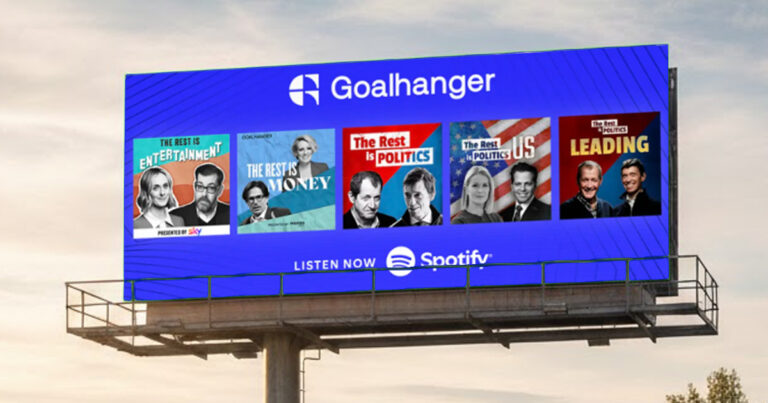
Goalhanger, the podcast production company behind hit shows such as The Rest Is History and The Rest Is Politics, has just reached a major milestone with over 250,000 paying subscribers across its network of shows and generating £15 million a year. With an average subscription of £60 per year, members enjoy attractive benefits including ad-free…
Should you focus on Stories or Reels to grow your visibility on Instagram?Both formats serve very different purposes: Stories build loyalty, while Reels drive reach and audience growth. This article breaks down their strengths, limits, and how to choose the right mix depending on your goals. Two Formats, Two Logics Stories and Reels don’t play…
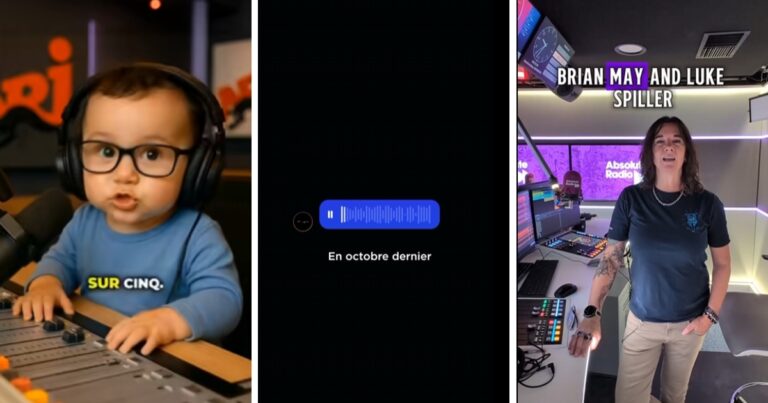
On social media, audio alone won’t stand out — it has to catch the eye as much as the ear.The easiest way, of course, is to film your sessions in the studio and pull visuals from there.But what if your sequence was never recorded on camera? Interviews, podcast snippets, on-air moments, or iconic voices —…
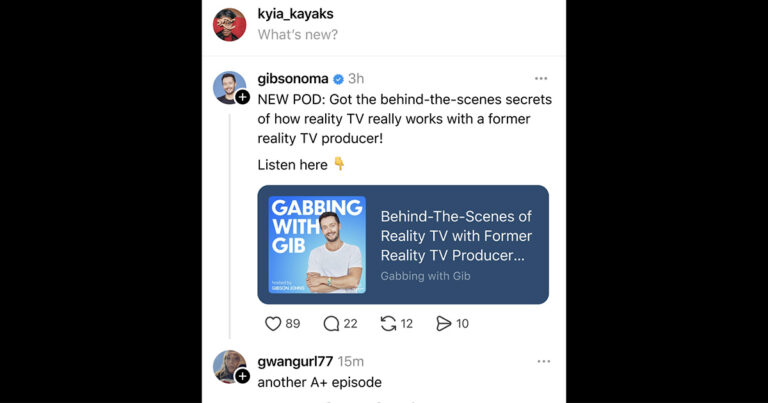
Meta is aiming to position Threads as the social platform for audio creators. After surpassing 400 million active users, the app is refining its strategy with new features designed specifically for podcasters and content studios. Threads, a new playground for audio creators? Until now, podcast-related conversations were scattered across Reddit, YouTube, Spotify or X. Threads…
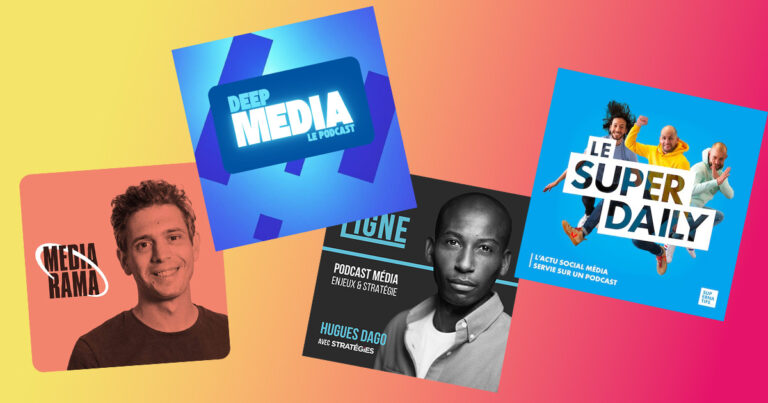
In a field that moves at insane speed, podcasts have become a key resource.Here’s our pick of French podcasts that help you track platform trends, audience shifts and editorial innovation — if you work in social, digital or media marketing. Deep Media – Julien Boujot Independent podcast launched in 2025 by Julien Boujot. Long-form interviews…