Learn from the best!
Every week, I curate the viral videos overperforming across 40+ European radio stations. Join for free!

Every week, I curate the viral videos overperforming across 40+ European radio stations. Join for free!
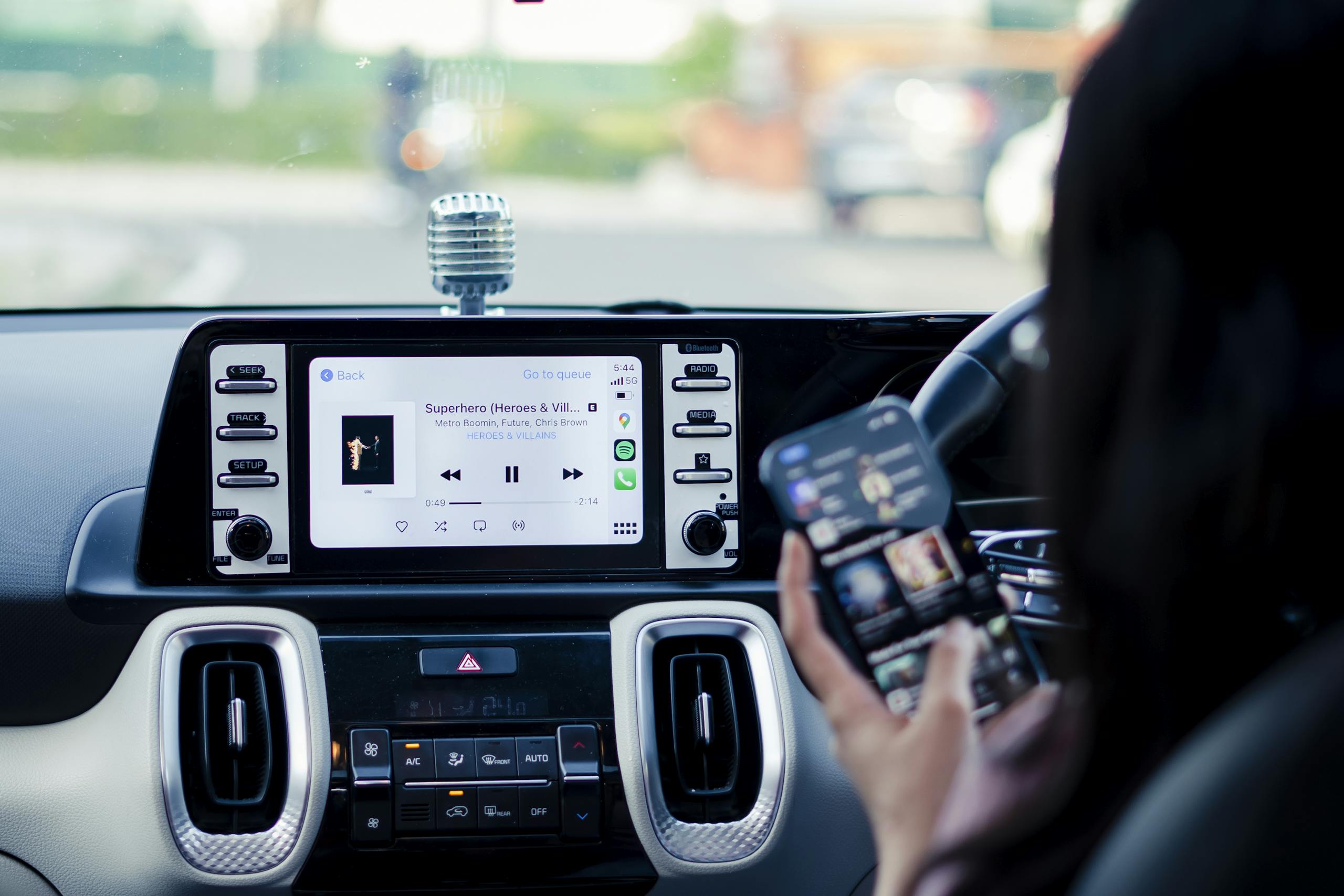
Bauer is now replacing a large proportion of its traffic bulletins on Greatest Hits Radio and Hits Radio with updates generated and read by AI. The group worked with INRIX, its long-standing partner for traffic data, to switch to an automated system.
The majority of traffic reports are no longer recorded by humans. The bulletins are produced automatically from INRIX data, assembled using their intelligence and automation systems, and then ‘voiced’ by an AI voice modelled on the tone of in-house journalists. Bauer promises faster, more regular and consistent news. At INRIX, the need for human operators is reduced because the entire workflow is based on data and automation.
What does it look like?
The group says it wants to deliver information that is more accurate, more responsive and better aligned with IP usage. They are opening the door to use cases that are still impossible on FM, with dynamic bulletins updated in near-real time, formats differentiated according to the listener’s location, and a mix of local news without having to rely on heavy geographical coverage.
INRIX calls this a “natural evolution” of its service. Their AI system works on the same datasets as journalists, but generates bulletins faster and more consistently.
The movement is not limited to Bauer. The UK ecosystem is already exploring several AI building blocks: more and more stations are testing synthetic voices or content produced by AI to reduce costs and increase local granularity, and audio.co (formerly RadioNewsAI), acquired by Aiir, offers automated bulletins (traffic, weather, news, commercial voice). Traffic is an obvious use case. Radio can go even further: hyper-local weather, real-time service messages, zone-based alerting… or even personalised audio streams based on the listener’s location.
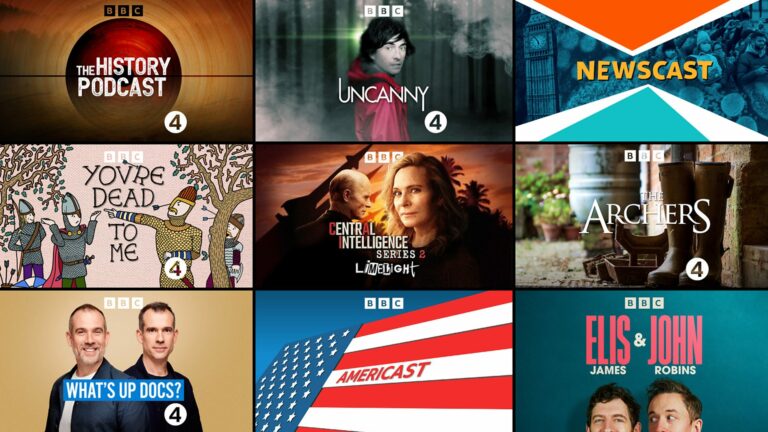
The BBC has announced another record year for its BBC Sounds platform. Between January and November 2025, the audio platform exceeded 2.5 billion listens, an increase of +8% compared to the same period in 2024. A total of 2.8 billion audio plays were recorded across the BBC ecosystem, including radio, podcasts, sport, news and rich…

While streaming platforms are running out of ways to create real music moments — especially this summer — college radio in the U.S. is quietly making a comeback. That’s the story Manon Mariani explored in Zoom Zoom Zen on France Inter. The journalist is referencing Emily White’s deep dive in her newsletter White Noise: “Gen…

As they do every Christmas, radio stations are adapting their schedules to reflect the season: gastronomy, gift ideas, music, special guests, etc. This year, for example, french radio RTL offered daily 30-minute programmes to Mika and Louane. For its part, France Inter has chosen to entrust a daily Music & Co segment to Clara Luciani,…

Your station’s social media presence shapes how people see, find, and remember you.But if you want it to truly serve your on-air brand, stop treating it like a reflex.Think of it instead as an editorial extension — a space that amplifies what makes your station unique. Here are 15 simple, practical ways to turn your…

I guarantee: once you’ve watched one sequence of this game, you’ll want to watch them all! Hit The Spot is a radio game played by the team from The Edge morning show. The principle is simple: Dan has to sing a song with the sound off, and then fall back to the right moment when…

In the latest Social Radio newsletter , which analyses the best-performing content from 32 European radio stations, RTL and France Inter broke records for the most views with content that’s very simple to create: clipping their interviews. I explain why you absolutely must do this to maximise the visibility of your station and show off…