Learn from the best!
Every week, I curate the viral videos overperforming across 40+ European radio stations. Join for free!

Every week, I curate the viral videos overperforming across 40+ European radio stations. Join for free!
While streaming platforms are running out of ways to create real music moments — especially this summer — college radio in the U.S. is quietly making a comeback.
That’s the story Manon Mariani explored in Zoom Zoom Zen on France Inter.
The journalist is referencing Emily White’s deep dive in her newsletter White Noise: “Gen Z’s College Radio Revival”.
A new generation raised on Spotify, TikTok, and algorithmic feeds is tuning back in to analog radio — to take back control of how they discover music.
And their reasons say a lot about how Gen Z wants to experience culture today.
Of course, that doesn’t stop them from making content about it.
A report from MIDiA Research spells it out: 16–24 year-olds now discover fewer new artists than 25–34 year-olds.
Platforms that promised “all the music in the world” have ended up flattening discovery — serving more of the same hits to everyone.
So hundreds of students are choosing the mic over the algorithm « For You ».
From Michigan to Cornell, campus radio stations are bursting with applications. Some have jumped from 30 to 120 members in just a few years. Others are building training programs to keep up.
“We’ve experienced one of the most exponential growth periods in our station’s 37-year history.”
— Aidan Greenwell, WRFL (University of Kentucky)
Les étudiants décrivent la radio comme un espace humain, lent et For these students, radio is the opposite of the infinite scroll: it’s slower, human, and collective.
“You can’t scroll Reels and host a radio show at the same time. You have to be present.”
— Aidan Greenwell, WRFL (University of Kentucky)
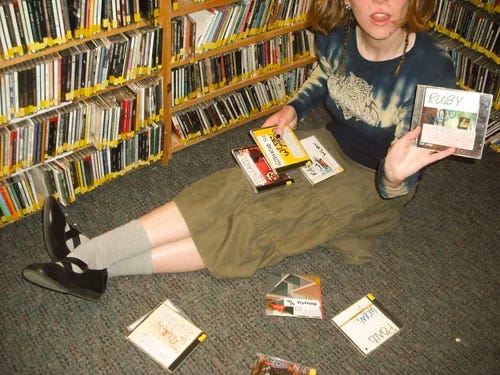
Their relationship to sound is tactile — vinyl, CDs, cassettes, and handwritten notes cover the studio shelves.
That analog feel isn’t about nostalgia — it’s about authenticity and effort, a reaction to the frictionless experience of algorithms.
On campuses overwhelmed by screens, college stations are becoming micro-communities — places to reconnect, share ideas, and build something together.
They’ve turned into what sociologists call a “third place” — not class, not home, and definitely not the algorithm.
According to Emily White’s research, 94 % of student hosts cite creativity as their main reason for joining a station, and 79 % mention community.
These young broadcasters aren’t chasing virality; they’re chasing connection.
“When I was alone in my first year, listening to someone talk at night on the radio is what reassured me.”
— Aidan Greenwell (WRFL)
For media professionals, this revival should be a wake-up call.
Radio isn’t just another stream — it’s a social medium itself, and it’s regaining relevance as audiences grow weary of endless scrolls and shallow content.
In a world where the music industry bets everything on AI-generated playlists and instant virality, college radio reminds us that discovery is still a human, emotional experience.
“Labels need college radio to reconnect young people with music.”
— Aidan Greenwell
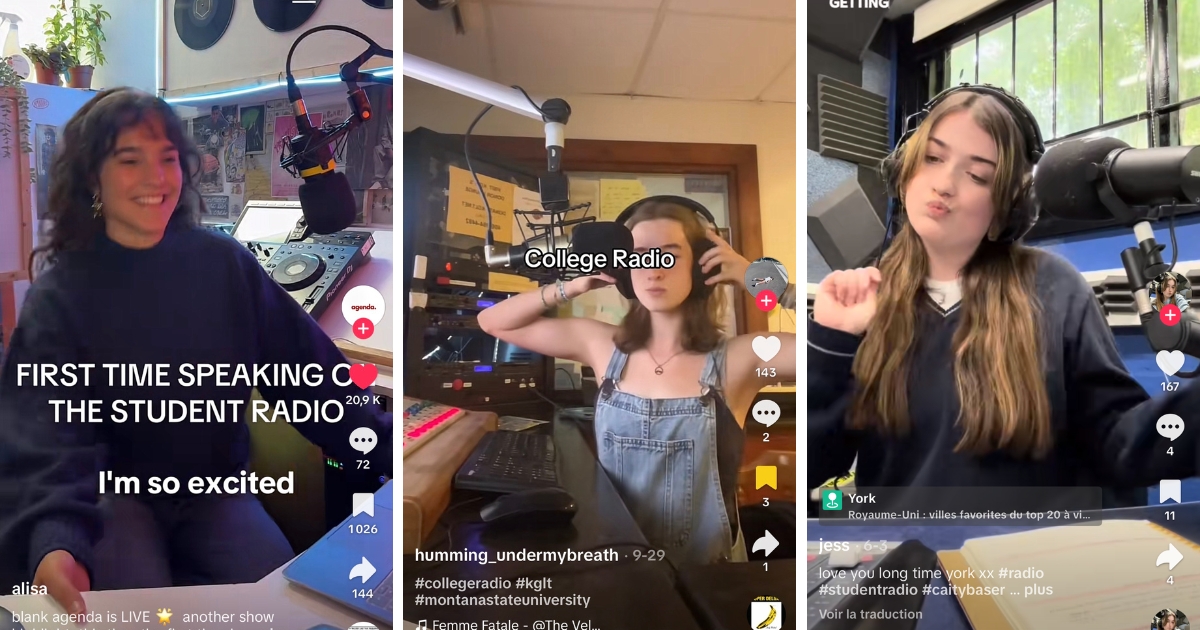
Scrolling through #StudentRadio on TikTok, you quickly see how this new wave is documenting radio life in 2025.
It’s visual, spontaneous, and proudly unpolished — exactly what makes it work.
Here’s what stands out :
@blankagenda blank agenda is LIVE 🌟 another show highlight, this time the first time i ever spoke the first time on the radio! This epsiode was all about NOSTALGIA 💌 what song would be on your nostalgia playlist? – – – #music #radio #studentradio #radioshow #musictalks #blankagenda #endofbeginning #chatwithme #chat #nostalgia
♬ original sound – xavier
@bitsandbobsfm Seems suspicious #studentradio #radio #podcast #comedy #sketch @Mark Lynch @Darragh White
♬ original sound – bitsandbobs
@mihirsinhasan The old head has entered the building #college #broadcasting #radio
♬ original sound – Mihir Sinhasan
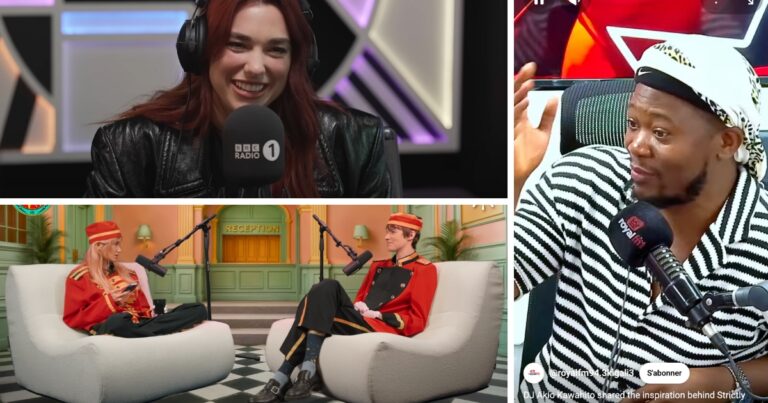
Radio is no longer just an audio experience.Studios are evolving into full-fledged production sets — without losing what defines them: the essence of radio. “Video radio” is that hybrid format where visuals matter as much as sound. But how do you design a studio that performs on both fronts — on-air and online — across…

The 27th edition of the NRJ Music Awards, broadcast live from the Palais des Festivals in Cannes on 31 October, once again confirmed its status as a major music event on social media. Seven days after the broadcast, the ceremony hosted by Nikos Aliagas attracted 3 million TV viewers, dominating key audiences: But the biggest…
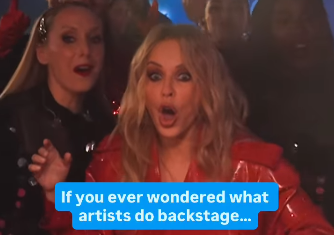
2 nights of concerts in London, 20 artists, almost 70 extracts broadcast in short versions and almost 80 long videos on YouTube. Capital made a maximum of content in a minimum of time during its annual concert. What is the Jingle Bell Ball? The Jingle Bell Ball is Capital Radio’s big annual concert, held every…
The Global Group has just launched a wonderful project: WSQK The Squawk, a short-lived radio station inspired by Stranger Things, is now available on London DAB, Global Player and connected speakers. The station will remain online until 1 January, in line with the release of the three parts of the final season of the show….
TikTok and iHeartMedia have just announced a major multi-platform partnership. Together, the two companies will launch a complete ecosystem combining filmed podcasts, radio, video studios and live events. The agreement marks a strategic turning point: TikTok creators will become voices and storytellers at events, on radio and in podcasts. The “TikTok Podcast Network”: 25 new…
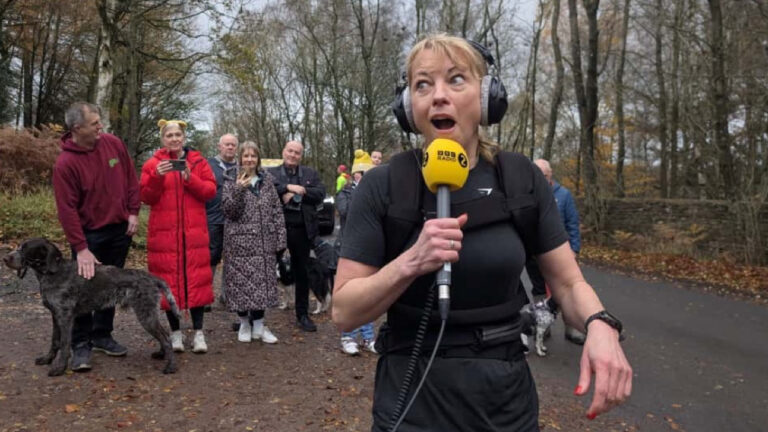
BBC Radio 2 crushed the competition during the week of 9 to 15 November on social networks, and what’s more, it’s all for a good cause. It’s all down to one name and one number: Sara Cox, the station’s presenter, and £10 million raised for the BBC Children in Need charity event. To raise the…